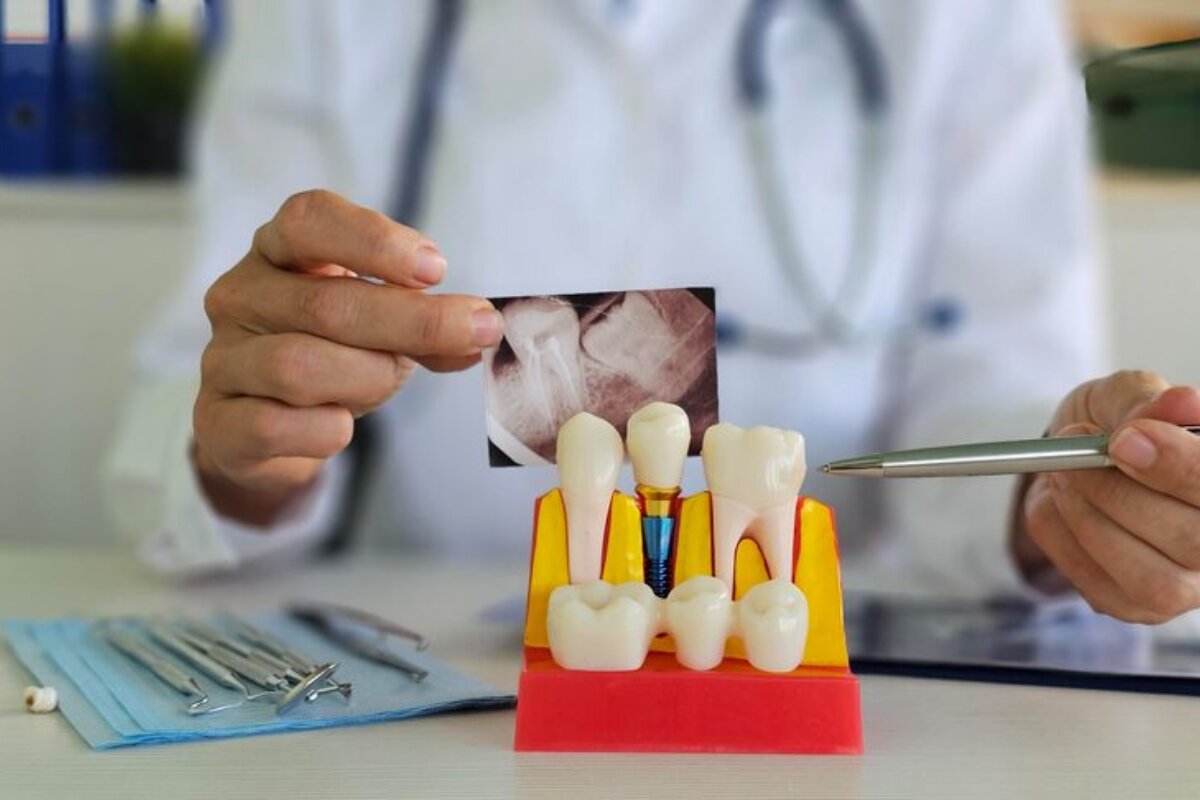
Not everyone needs bone grafting before getting dental implants. If the jawbone is too thin or weak to support an implant, a bone graft may be needed. Bone Grafting in Los Angeles helps build up the jawbone, giving the implant a stronger and more stable base for long-term support.
Dental implants rely on healthy jawbone support. Without enough bone, the implant may not be able to function properly or remain stable over time.
What Is Bone Grafting?
Bone grafting is a treatment that helps add or rebuild bone in areas of the jaw where bone has been lost.
The goal is to:
- Increase bone volume
- Improve bone strength
- Support future implant placement.
- Help maintain facial structure.
This treatment is commonly performed before implant placement when additional bone support is needed.
What Are the Signs You May Need Bone Grafting?
Some people may need extra bone support before getting dental implants.
Common signs include:
- Missing teeth for a long time
- Loss of jawbone after tooth loss
- Dentures that no longer fit well
- A history of gum disease
- Not enough bone to support an implant
A dental exam and digital scans can help determine if bone grafting is needed.
How Is Bone Grafting for Dental Implant Success Helpful?
One of the most important reasons for grafting is improving implant stability.
- Benefits may include:
- Better implant support
- Improved long-term implant stability
- Increased jawbone strength
- Better chewing function
- Improved treatment outcomes
A strong foundation helps implants function more like natural teeth.
Does Everyone Need Bone Grafting Before Implants?
No. Many people have enough healthy jawbone for dental implants and do not need bone grafting.
Whether you need a bone graft depends on:
- How strong your jawbone is
- How wide is your jawbone
- How much bone height do you have
- Your overall oral health
- How long ago did you lose the tooth?
A dental examination can help determine if bone grafting near you is needed and which treatment option is best for you.
How Is Bone Grafting Evaluated?
Before suggesting treatment, the dental team checks the health and strength of your jawbone.
This may include:
- A dental exam
- Reviewing your medical history
- Taking digital X-rays or scans
- Measuring the amount of bone in the jaw
This information helps determine whether your jawbone is strong enough to support a dental implant or if additional treatment may be needed.
What Happens During Bone Grafting?
The procedure involves placing grafting material into the area where additional bone support is needed.
Over time, the area heals and becomes stronger.
General steps may include:
- Examination and treatment planning
- Placement of graft material
- Healing period
- Follow-up evaluation
- Dental implant placement when ready
Healing times vary depending on individual circumstances and the amount of grafting performed.
How Long Does Bone Grafting Take to Heal?
Healing times differ for every patient.
Factors affecting recovery include:
- Amount of grafting performed.
- Overall health
- Oral hygiene habits
- Individual healing response
Some cases may require only a few months of healing, while larger grafts may need additional time before implant placement.
Can Dental Implants Be Placed Without Bone Grafting?
In some situations, implants can be placed without grafting if there is enough healthy bone available.
Patients who recently lost a tooth may still have adequate bone support.
However, delaying replacement for a long time may increase the likelihood of bone loss and the need for grafting later.
Why Is Early Evaluation Important?
Seeing a dental professional early can help check your jawbone health before more bone loss happens.
Benefits of an early evaluation include:
- Finding bone loss sooner
- Learning about available treatment options
- Planning dental implants more effectively
- Supporting better long-term results
Getting your bone health checked early may give you more treatment choices in the future.
When Should You Visit a Periodontist?
A periodontist in Los Angeles specializes in the structures that support teeth, including the gums and jawbone.
Professional evaluation may be beneficial if:
- Teeth have been missing for a long period.
- Implant treatment is being considered.
- Bone loss has been diagnosed.
- Gum disease has affected oral health.
If you are looking for a periodontist near you, a comprehensive consultation can help you better understand your bone health and whether you are ready for dental implants.
How Can Bone Health Affect Long-Term Implant Success?
Healthy bone plays a major role in the long-term performance of dental implants.
Strong bone support may help:
- Maintain implant stability
- Improve chewing efficiency
- Support surrounding structures
- Reduce complications
Bone quality is often one of the key factors considered during implant planning.
Build a Strong Foundation for a Healthy Smile!
A healthy jawbone is an important part of successful tooth replacement and long-term oral function. Understanding your bone health early can help create a more predictable treatment plan and support lasting results. Schedule a consultation with Nima Ebrahimi DDS to explore your options and receive personalized care for your smile.
FAQs
Does everyone need bone grafting before dental implants?
No. Bone grafting is only needed if there is not enough healthy jawbone to hold a dental implant securely.
How does bone grafting help dental implant success?
Bone grafting helps build up the jawbone, giving the implant a stronger and more stable base.
How long does bone grafting take to heal?
Healing time is different for each person. In some cases, it may take a few months for the bone to heal before an implant can be placed.
Can dental implants be placed right after bone grafting?
Not always. Many patients need to wait for the grafted bone to heal before getting a dental implant.