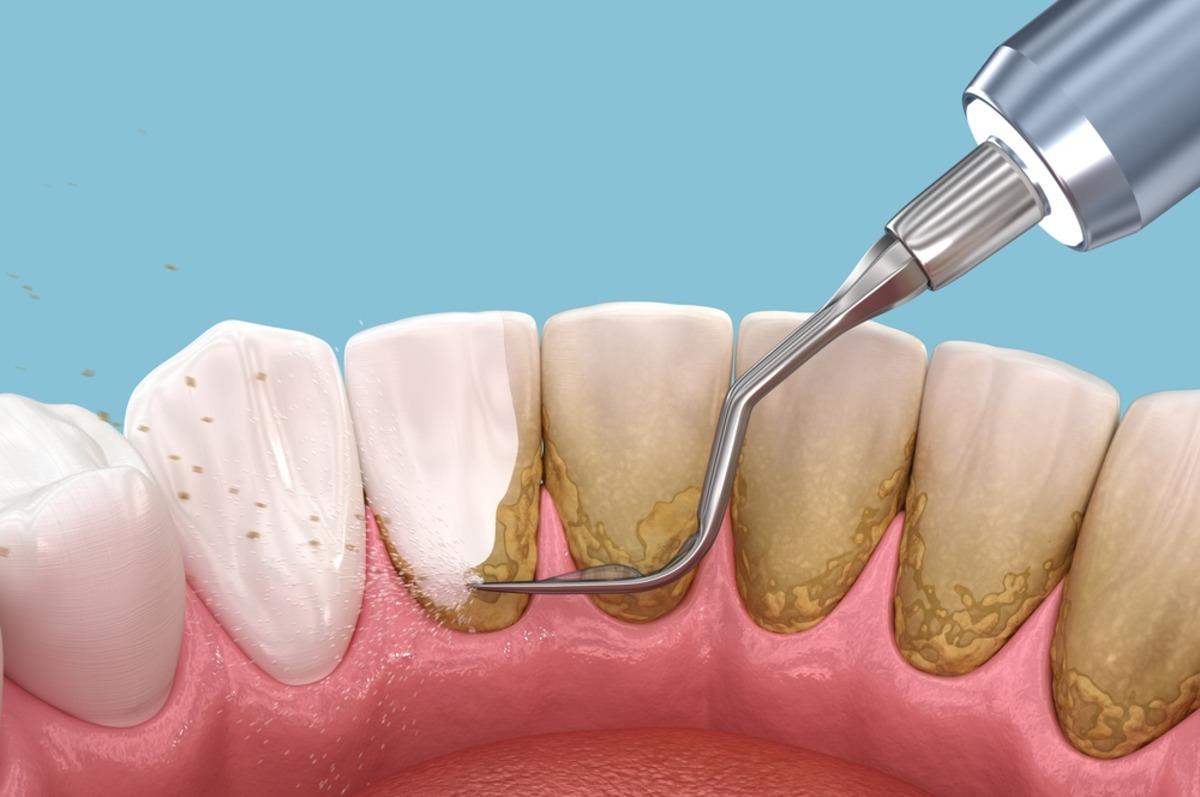
Healthy gums are just as important as healthy teeth. Gum disease starts subtly, often without any signs except swelling, bleeding, and tenderness. However, if it progresses, gum disease can result in bone loss or even loss of teeth. A periodontist near you will be able to ensure that gum issues are identified early and provide appropriate treatment. The most common and effective method is called deep cleaning, known in the profession as scaling and root planing.
What Exactly is Deep Cleaning for Gums?
Deep cleaning is more in-depth than regular cleaning. A dental cleaning involves removing the plaque from the surface of teeth, while a deep cleaning refers to a deeper area that is usually hidden below the gumline. This is also where harmful bacteria can reside and cause damage.
Deep cleaning involves two steps:
- 1) Scaling: The process of scaling involves removing tartar and plaque from the tooth’s surface and beneath the gum line.
- 2) Root Planing: Root planing is a procedure to make the tooth roots less rough so that the gums can fully reattach and properly heal.
The above steps are merely two steps of a process, which is supposed to restore health to the gums and prevent any further infection.
What are the Scaling and Root Planing Benefits?
Deep cleaning has numerous very important benefits for individuals with gum disease:
- Stops the spread of disease: stops the spread of harmful bacteria attacking the gum tissue.
- Aids healing of gums: smoother roots for the gums to heal back against.
- Freshens breath: removal of excess bacteria stops the bad breath that can occur with gum infection.
- Promotes overall health: gum disease has been connected to heart disease, diabetes, and other health issues, and treating the disease supports your overall health in the long term.
How Does It Work as a Treatment for Early Gum Disease?
If you are in the early stages of gum disease, where you are at risk but not at severe risk, then deep cleaning may be the best treatment plan for you. Don’t wait until it gets worse. Take action now to limit the problems and improve the health of your gums.
In fact, quite a few of these patients avoid surgery or treatment options related to surgery, which happens by acting on a deep cleaning. It ultimately serves as a preventative measure when treating gum disease. When caught early enough, deep cleaning will help reduce the risk of your gum disease becoming more advanced.
Why is It Called Non-Surgical Periodontal Therapy?
“Non-surgical periodontal therapy” is frequently used, as scaling and root planing don’t involve incising tissue or stitching it. Unlike procedures, such as gum surgery, that involve tissue modification/alteration, deep cleaning is performed with special dental instruments that allow the hygienist to gently clean below the gum line.
This method is less invasive, it is less uncomfortable for the patient, and it is less traumatic to the tissues after the procedure. In fact, most patients can resume normal daily activities immediately following the procedure.
What Role Does Plaque and Tartar Removal Below the Gumline Play?
Plaque and tartar are the primary types of irritants that result in gum issues. Although plaque is soft and somewhat sticky, tartar is nothing more than hardened plaque, which can only be removed with special dental instruments and tools. Both are irritants to gum tissue and can, alone or in concert, cause infection.
When a clinic says they are doing “deep cleaning,” it generally means there will be an emphasis and focus on the removal of plaque and tartar below the gumline. The “deep cleaning” removes the buildup of bacteria that is caked on due to plaque and tartar and is inherently below the gumline (i.e., places that toothbrushes and string floss can’t reach) to facilitate the healing of oral tissues and ultimately reduce inflammation.
How Can You Care for Your Gums After Deep Cleaning?
The true measure of a deep clean is determined by what you do after the cleaning with respect to care:
Here are some easy tips to help you heal:
- Brush two times a day with a soft-bristle toothbrush
- Floss gently to remove food particles
- Use an antibacterial mouthwash if prescribed
- Eat a balanced diet and stay well hydrated
- Make follow-up appointments with your dentist and/or periodontist
Keeping up with home care will help ensure the benefits from treatment have long-lasting effects.
Nima Ebrahimi DDS – Helping You Restore Gum Health
If you have bleeding gums, have bad breath, or have pain while eating, you may want to consider a deep cleaning. At Nima Ebrahimi DDS, you will receive compassionate and effective treatment for your gum disease to protect your smile.
Don’t wait until your gum disease becomes painful or serious. Schedule your consultation right now to start down the path to stronger teeth and healthier gums.