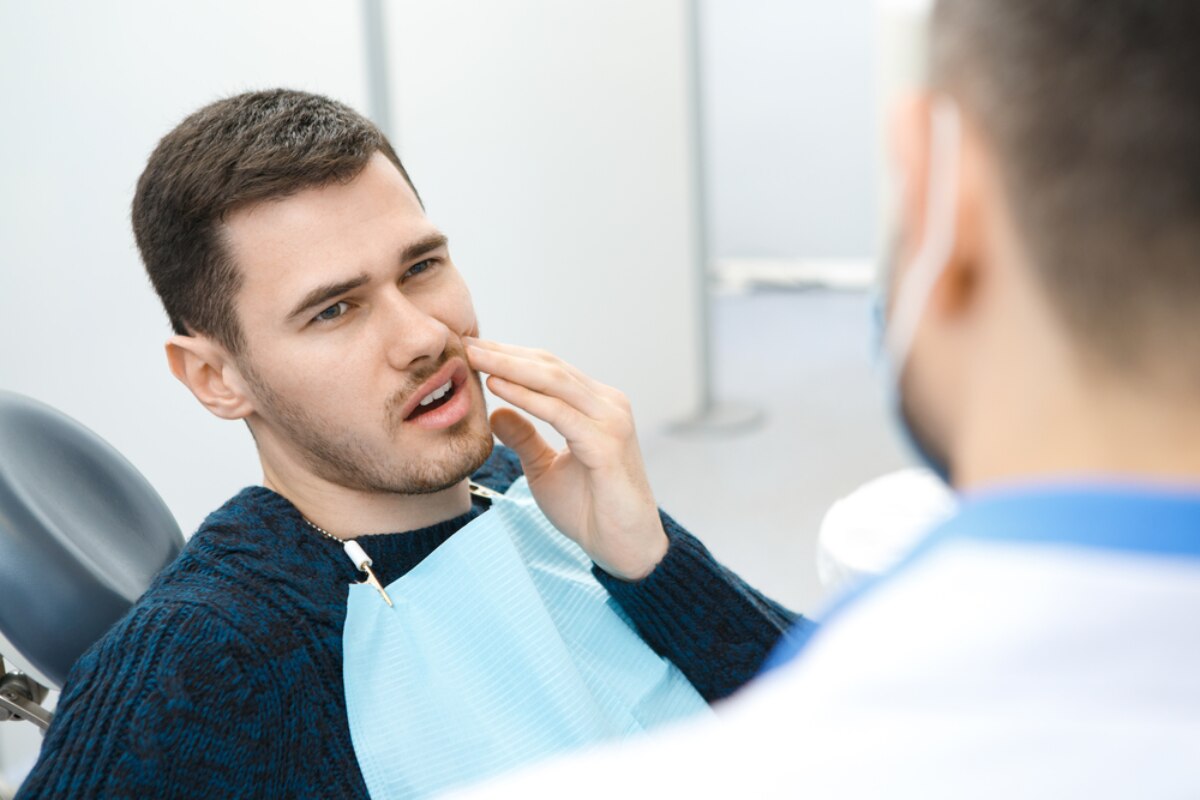
Tooth removal may feel overwhelming at first, but healing can be easier with the right care. Simple daily habits can protect the area, lower pain, and help your gums heal well. If you need support after the procedure, a periodontist in Los Angeles can offer clear advice, and the tips below can guide you through a safe and steady recovery.
Why Does The Body Need Time To Recover After Tooth Removal?
A small opening is left in the gums after a tooth comes out. The body then forms a natural blood clot to protect the bone and support new tissue growth. Healing begins once the clot stays in place. Any action that disturbs the clot can slow recovery or cause extra pain.
Understanding the healing process helps patients know what to expect during the gum tissue recovery timeline.
How Can Someone Speed Up Tooth Extraction Recovery?
Gentle care helps the body heal faster. A few helpful steps include:
- Rest for the first 24 hours.
- Keep your head raised when lying down.
- Use an ice pack on the cheek to reduce swelling after tooth removal.
- Eat soft foods such as mashed potatoes, yogurt, or soup.
- Drink plenty of water.
- Take the medicines given by your dental provider.
Patients who follow these simple steps often feel more comfortable and recover sooner. These are some of the most effective tooth extraction healing tips used by many dentists and periodontists.
What Slows Down Healing After Tooth Removal?
A few habits can delay healing or damage the blood clot. Avoiding these risks protects your mouth:
- Smoking or vaping.
- Drinking through a straw.
- Spitting forcefully.
- Eating sharp or crunchy foods.
- Touching the area with your tongue.
- Heavy physical activity in the first few days.
Each of these actions can disturb blood clot protection after extraction, leading to slow healing or dry socket. Staying away from these habits helps the area stay clean and safe.
How To Manage Bleeding After Tooth Extraction?
Light bleeding can happen for several hours. A clean gauze pad placed over the area helps control it. Bite down gently to apply pressure. Change the pad every 30–45 minutes until the bleeding reduces. A damp tea bag can also help due to its natural calming effect.
If bleeding becomes heavy or lasts too long, contact a dental provider or your periodontist near you for guidance.
How To Clean Your Mouth After Dental Extraction?
Gentle cleaning keeps infection away. For the first 24 hours, avoid rinsing or brushing near the site. After one day, rinse slowly with warm salt water several times a day. Brush the rest of your teeth normally, but avoid the healing area. The goal is to keep the mouth fresh without disturbing the blood clot.
Safe cleaning habits are a key part of recovering after tooth removal.
When Does Gum Tissue Fully Recover?
Many patients notice improvement in a few days. Swelling reduces, and the area becomes less tender. Gums usually close within two to three weeks, but deeper healing continues for several months. A periodontist can check the area and confirm healthy recovery.
When Should Someone See A Periodontist For Help?
A periodontist can help when:
- Pain becomes stronger instead of weaker.
- Bleeding does not stop.
- Bad smell or taste comes from the area.
- Swelling gets worse.
- Fever appears.
A periodontist can check for infection, dry socket, or slow healing. Expert care helps protect the gums and supports long-term oral health.
Ready For Gentle, Skilled Care After Tooth Removal?
Safe healing feels easier with support from an experienced dental provider. Nima Ebrahimi DDS offers careful evaluation, guidance, and treatment for tooth extractions in Los Angeles. If you want simple, clear advice and comfortable care, reach out for help.
Book your appointment today with Nima Ebrahimi DDS and enjoy steady, stress-free healing.
📍 Find us easily on the Google map and plan your visit today!
FAQs
How long does swelling after tooth removal usually last?
Swelling often peaks within 48 hours and then reduces over the next few days. Ice packs help control it.
How long should someone protect the blood clot after extraction?
Protection is important for at least three days, but gentle care should continue for about a week.
Can someone brush their teeth the day after an extraction?
Brushing the healthy teeth is safe, but the extraction area should be avoided for one or two days.
When can someone return to normal eating?
Soft foods are safest for the first few days. Solid foods can be added slowly as the area becomes comfortable.