Have you ever been confused as to whether a small cavity can heal itself or if a filling is always necessary? Many wonder what to do when they see signs of tooth decay. Knowing how cavities occur and how cavities can progress can allow you to make decisions about your dental health.
We will discuss what happens when a cavity forms, if a cavity can be reversed, and when a filling is needed. Whether you want to seek a solution early or are already in pain, knowing the facts is important. If you need professional help, a periodontist in Los Angeles can assist you with treatment options that will protect your smile.
How Cavities Form And Why It Matters
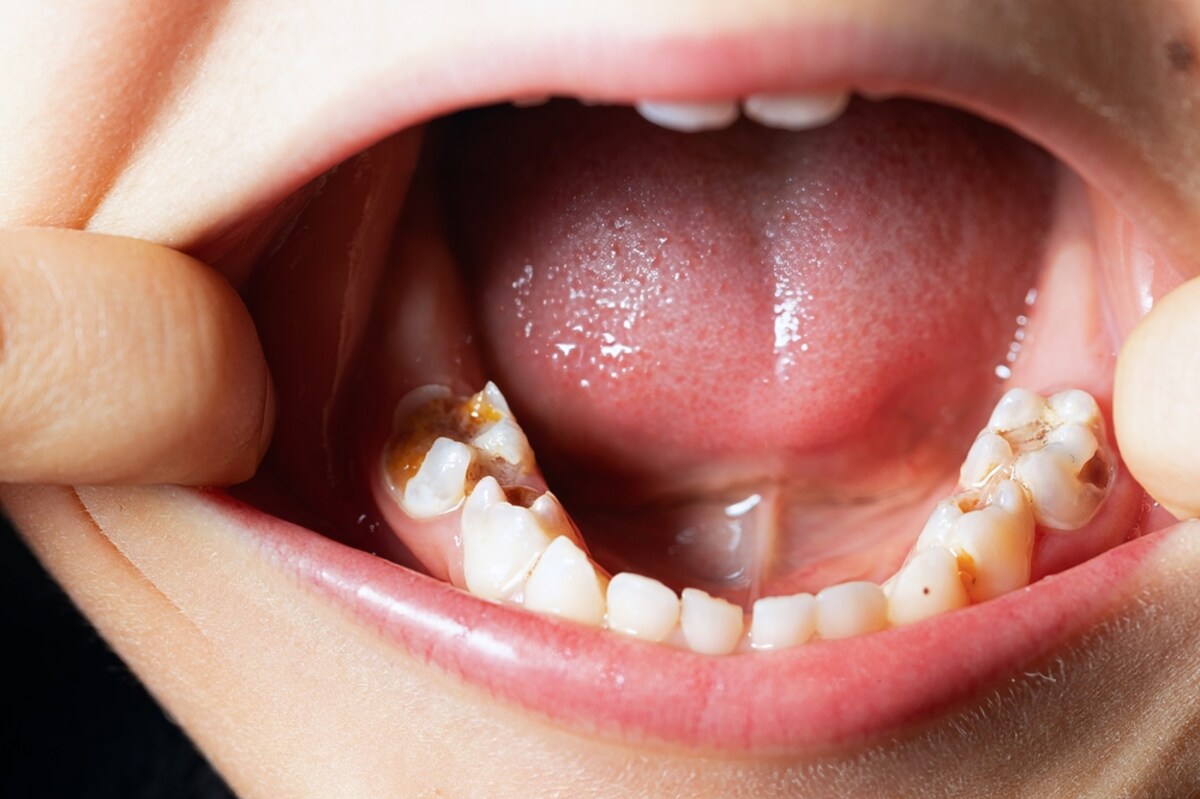
Cavities occur when the enamel, the hard outer shell of your tooth, breaks down. When plaque builds up and reacts with sugars from food, it produces an acid that will slowly wear away the enamel, allowing for soft spots or holes to develop.
You may not feel pain when a cavity is beginning to form, but keep in mind that does not mean that it is not a big deal. Your dentist will tell you proper care is needed so that these cavities do not penetrate deeper layers of the tooth and lead to pain, infection, or loss of the tooth!
Can A Cavity Heal Without A Filling?
This depends on the extent to which the cavity is caught. If it is confirmed in the very early stages of a cavity (the enamel of the tooth has just started to weaken), there is a possibility that we can stop or reverse the cavity through a procedure called remineralization.
Your dentist may recommend:
- Using fluoride toothpaste or mouthwash
- Reducing sugar and acidic foods
- Brushing twice a day and flossing daily
- Drinking more water to wash away food particles
These steps can help strengthen the enamel and may stop a cavity from getting worse. So, yes, in some early cases, can a cavity heal naturally? It’s possible—but only with proper care and guidance from a dental professional.
Signs You May Have A Cavity
Cavities do not always cause pain right away, but there are some warning signs to look for:
- Sensitivity to hot, cold, or sweet foods
- Visible holes or dark spots on your teeth
- Sharp pain when biting down
- Bad breath or a bad taste in your mouth
If you notice any of these symptoms, visit a dental office or periodontist near you to get checked before the problem worsens.
Does Every Cavity Need A Filling?
A common question is: Does every cavity need a filling? Not always. As mentioned, tiny cavities in the earliest stage may be managed without drilling. However, once the decay breaks through the enamel and starts to affect the inner dentin layer, a filling becomes necessary.
Fillings protect the tooth from further damage and restore its shape and function. Avoiding treatment can allow bacteria to reach the pulp inside the tooth, which could lead to infection and the need for more serious procedures such as root canals or extractions.
What Happens If You Don’t Treat A Cavity
Ignoring a cavity can cause serious problems over time. Without treatment, the decay continues to spread. Eventually, you may experience:
- Severe tooth pain
- Infection or abscess
- Damage to nearby teeth
- Gum disease or bone loss
In some cases, untreated cavities can even impact your overall health. Knowing what happens if you don’t treat a cavity is important so you can act quickly and protect your well-being.
How To Reverse A Cavity In Early Stages
If your cavity is still in the enamel-only stage, there are several things you can do to stop or even reverse it:
- Improve brushing and flossing habits
- Get regular dental cleanings.
- Use high-fluoride toothpaste or gels.
- Eat foods high in calcium and avoid sugary snacks.
- Ask your dentist about fluoride varnish or sealants.
These steps, along with regular visits to a dental expert, offer real results. Learning how to reverse a cavity can give you a chance to avoid fillings when the issue is caught early.
Early Stage Tooth Decay Treatment Options
When dealing with very small cavities, early-stage tooth decay treatment focuses on non-invasive methods. These may include:
- Topical fluoride applications
- Remineralization treatments
- Oral hygiene education
- Lifestyle and diet changes
Dentists will monitor the area over time to see if it improves or worsens. If decay progresses, more advanced treatment will be needed. Early action always leads to better outcomes, so talk to a dental professional as soon as you notice a concern.
Do Cavities Go Away On Their Own?
This is one of the most asked questions: Do cavities go away without treatment? Once a cavity has formed beyond the enamel surface, it cannot heal by itself. At this stage, only a filling or restorative procedure can fix the damage. No home remedy, no matter how healthy, can remove existing decay once it reaches the inner layers of the tooth.
That’s why early detection is so important. Only a dental exam can reveal whether your tooth is in the reversible stage or if further action is needed.
Talk To A Specialist Before It Gets Worse
If you think you might have a cavity or simply want to be sure your teeth are in good shape, the best time to take action is now. Early diagnosis and proper care can save your tooth and avoid the need for major treatments later.
Take Control Of Your Dental Health Today
At Nima Ebrahimi DDS, we are here to help you understand your options and take the best steps for your oral health. Whether you’re managing early signs of decay or need a filling, our team provides gentle, expert care in a welcoming setting.
Book your appointment today and let us help you protect your smile before small problems turn into big ones. Your dental health is our top priority.