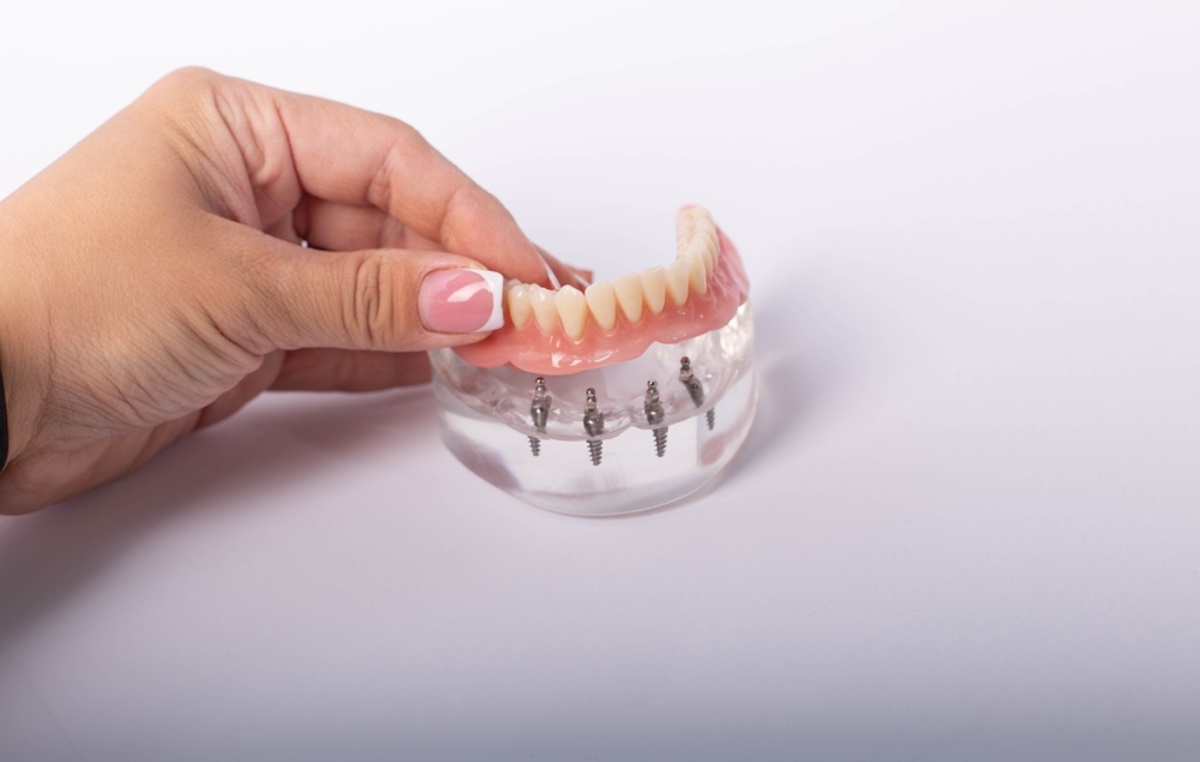
If you or your loved one is missing teeth, then you’re likely well aware of dentures as an option. Dentures are personal-fit dental devices that fill the space for missing teeth and restore your smile. But most individuals have no idea what dentures are, how they function, or how to maintain them.
This blog will walk you through the fundamentals of dentures—what they are, types, how they’re created, and how to care for them. Whether you’re already in between dentures or just thinking about them, this information can help put you more at ease with your oral health decisions.
If you’re looking for expert advice or a trusted periodontist near you, it’s a good idea to speak to a specialist who can explain all your tooth replacement options, including dentures.
What Are Dentures?
A common question people ask is, What are dentures? Simply put, dentures are removable replacements for missing teeth and the surrounding tissues. They can be made from acrylic resin, nylon, or metal. Dentures not only help restore the appearance of your smile but also improve speaking, chewing, and facial structure.
Dentures are often recommended for people who have lost teeth due to gum disease, tooth decay, or injury. They can be full or partial, depending on how many teeth are missing.
Types of Dentures
There are several different types of dentures, each designed to fit a specific need. The right type for you depends on how many teeth are missing and your overall oral health.
Here are the main types of dentures:
- Complete (Full) Dentures: These replace all the teeth in your upper or lower jaw.
- Partial Dentures: These replace one or a few missing teeth and are held in place by metal clasps.
- Immediate Dentures: These are placed right after tooth removal, allowing you to avoid being without teeth while healing.
- Implant-Supported Dentures: These are anchored by dental implants and offer extra stability.
Your periodontist will help you choose the best type based on your needs and lifestyle.
How Do Dentures Work?
You may wonder, how do dentures work to stay in place and function like real teeth? Dentures are custom-fitted to your mouth by a dental professional. They rest on your gums or are supported by remaining teeth or dental implants.
For full dentures, suction helps keep them in place, while partial dentures use metal attachments to stay secured. Implant-supported dentures are connected to titanium posts that are surgically placed in your jawbone.
Once in place, dentures help restore your ability to eat, speak, and smile confidently.
Dentures for Missing Teeth: Why They’re Important
Getting dentures for missing teeth is more than just a cosmetic fix. Missing teeth can lead to bone loss in your jaw, shifting of remaining teeth, and difficulty chewing. Dentures fill the empty spaces and help maintain the shape of your face.
Replacing missing teeth also prevents other dental problems, such as bite issues and increased wear on remaining teeth. Dentures offer both a functional and aesthetic solution, helping you feel and look better.
Benefits of Wearing Dentures
There are many benefits of wearing dentures, especially when they are custom-fitted and properly maintained. Here are some of the top advantages:
- Restore your smile and improve self-confidence
- Make eating and speaking easier.
- Prevent facial sagging by supporting facial muscles.
- Help maintain proper jaw alignment.
- Affordable and non-surgical option for tooth replacement
Dentures can give you back the freedom to enjoy meals and social situations without worry.
Caring for Dentures: Simple but Essential Steps
Proper care for dentures is key to keeping them comfortable and lasting as long as possible. Dentures are strong but can break or warp if not handled with care. Follow these tips to keep your dentures in top condition:
- Clean daily: Brush dentures gently with a soft brush and non-abrasive cleaner.
- Soak overnight: Keep dentures in a denture-cleaning solution or plain water when not wearing them.
- Rinse after eating: Remove and rinse dentures after meals to wash away food particles.
- Handle with care: Place a towel or soft surface underneath when cleaning to prevent damage if dropped.
- Visit your periodontist: Regular checkups help ensure proper fit and catch any issues early.
By taking good care of your dentures, you can extend their life and keep your mouth healthy.
Finding the Right Periodontist for Expert Guidance
If you have gum problems or advanced tooth loss, it may be time to see a periodontist in Los Angeles. A periodontist is a dental specialist who focuses on the gums and bones that support your teeth. They play an important role in helping you decide if dentures, implants, or another treatment is right for you.
Visiting a periodontist ensures you get expert advice and a personalized treatment plan that fits your needs. Whether it’s your first time getting dentures or you need help adjusting, the right care makes all the difference.
Regain Your Smile and Confidence Today
At Nima Ebrahimi DDS, we’re committed to helping you regain a healthy, confident smile. Whether you need dentures, gum treatment, or personalized care, our team is here to guide you every step of the way.
We provide gentle, advanced dental care in a comfortable setting, and we take the time to answer all your questions. Ready to explore your options?
Book an appointment today with Nima Ebrahimi DDS and take the first step toward a healthier, happier smile!